Be part of the roundtables redefining talent transformation.
An invitation-only CXO series by Rolling Arrays and ETHRWorld. One table of twenty leaders, across Singapore and Malaysia. A conversation that does not sound like an HR meeting.
Two rooms in January. One idea that reframed the table.
The opening roundtables ran in Singapore and Malaysia, bringing senior people and business leaders into a conversation most said they had never had before, on treating talent as a measurable business supply chain.
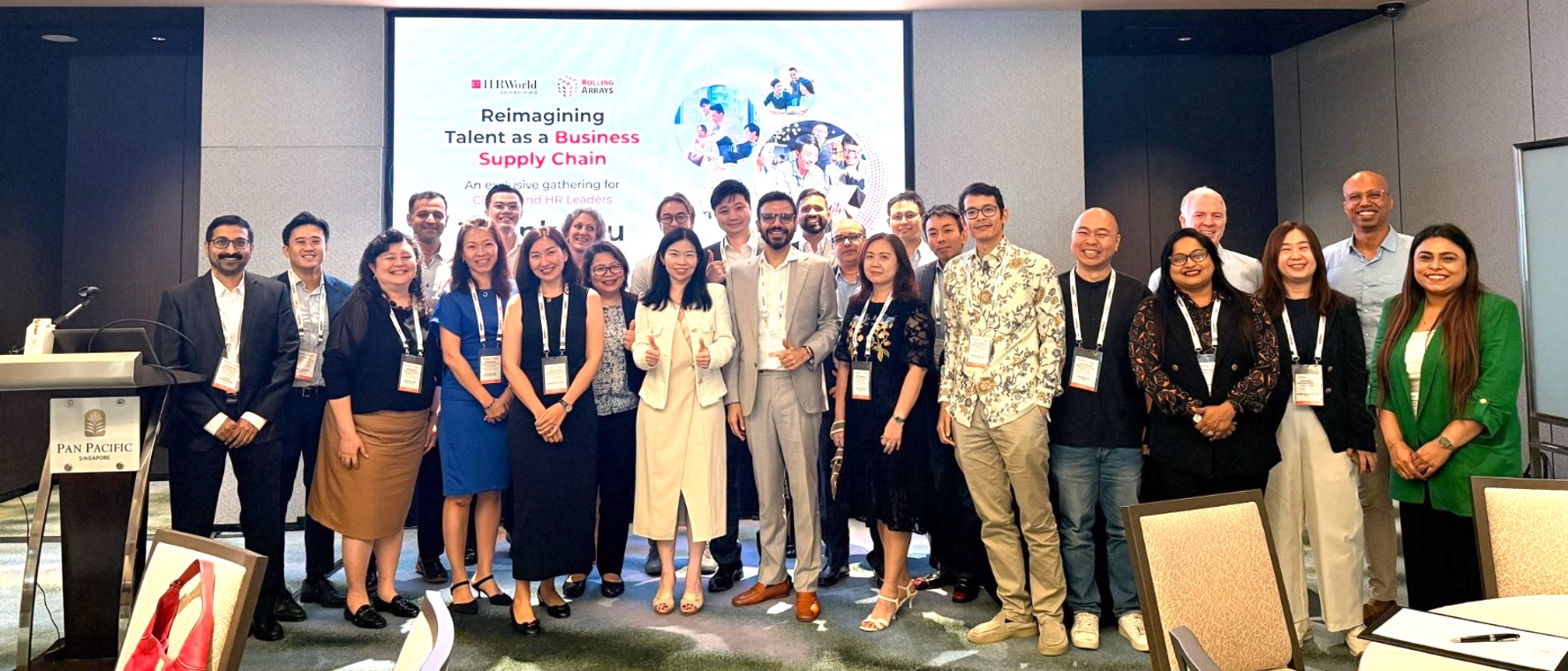 Singapore · Pan Pacific · 29 January 2026
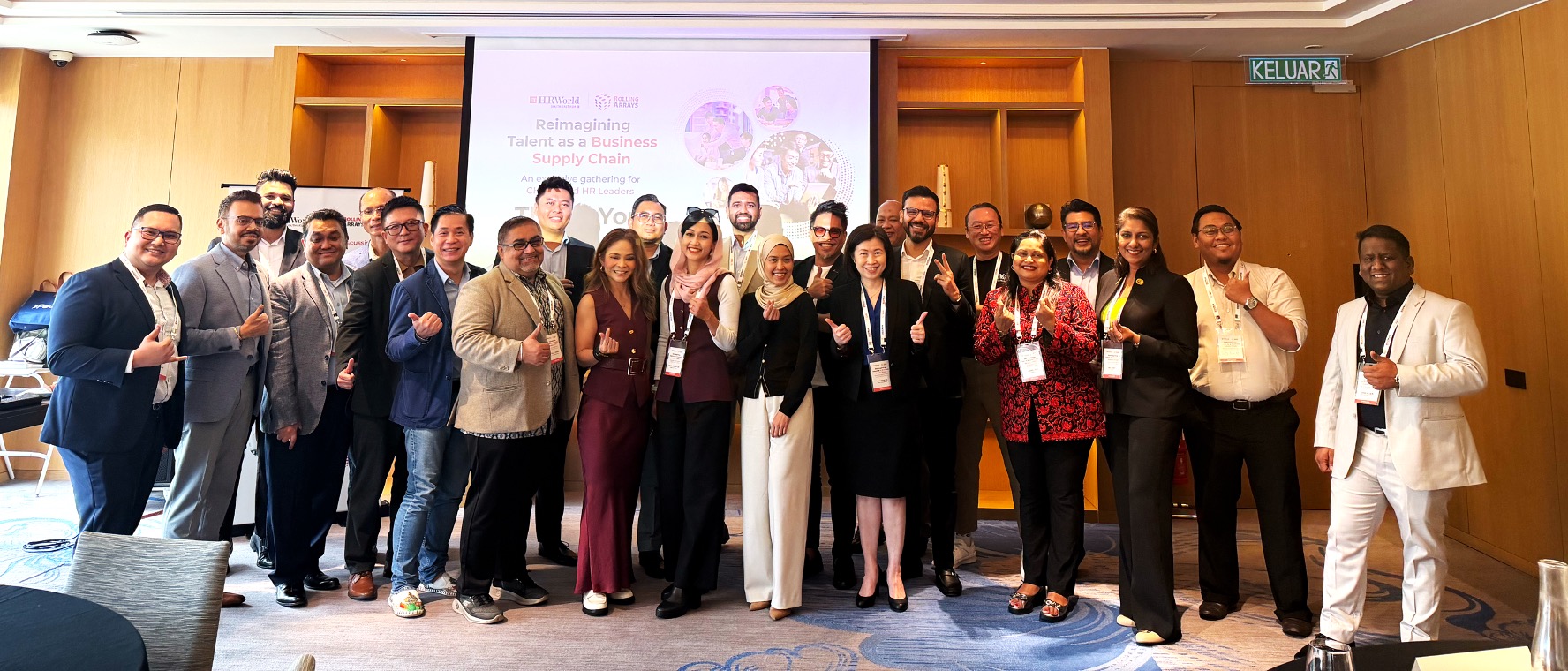 Malaysia · Kuala Lumpur · 29 January 2026
01The reframe landed first.
02Two numbers, not a dashboard.
03The cost of inaction is already paid.
04AI needs a frame before a tool.
Treat talent like a supply chain. Measure it like one.
A supply chain tracks the quality of what enters, how much converts at each stage, and how much of the highest value is kept. The R7 Framework applies that logic to people, across seven stages where talent quality is won or lost. Hover a stage for the question it asks.
Recruit

Rate
Retain
Redeploy

Redevelop

Release

Rehire
The share of high performers in your critical roles
Roughly fifteen percent of roles create most of the enterprise value. What percentage of them are held by people who consistently exceed expectations?
How long those high performers stay
A great hire in a critical role only compounds if they remain. The tenure of your A-Players in the roles that matter most is the second number that moves everything else.
Human Line is that boundary, the line you draw through the work as it re-divides between people and agents. The routine execution can move to agents: software for cognitive work, robots for physical. What is left is the judgment, the relationships and the accountability. Draw the line on purpose, not by default, and the capabilities that create your value stay on the human side.
The routine doing
Gathering, drafting, compiling, reconciling, monitoring. Most of the work, in most roles. This is what agents are built for, with a person watching.
Deciding what is worth doing
The trade-offs. The calls that do not fit the playbook. Where value is designed rather than processed. This stays human.
Owning the outcome
Holding the client's confidence, being accountable when it breaks, signing your name to the result. This stays human longest.
Agents take the execution. People keep the judgment and the trust, and get the freed hours back for more of it. The role is redesigned, not removed. It moves up.
Human Line is the theme of Roundtables 3 and 4, explored live with ETHRWorld Southeast Asia.
Six roundtables. Two cities. One finale.
Each roundtable is one table of twenty, selected by profile. The series runs from the opening supply-chain sessions, through the Human Line, to the next five years of HR, and closes with the R7 Gala and a coffee table book launch.
The R7 Gala, and the book that names the leaders.
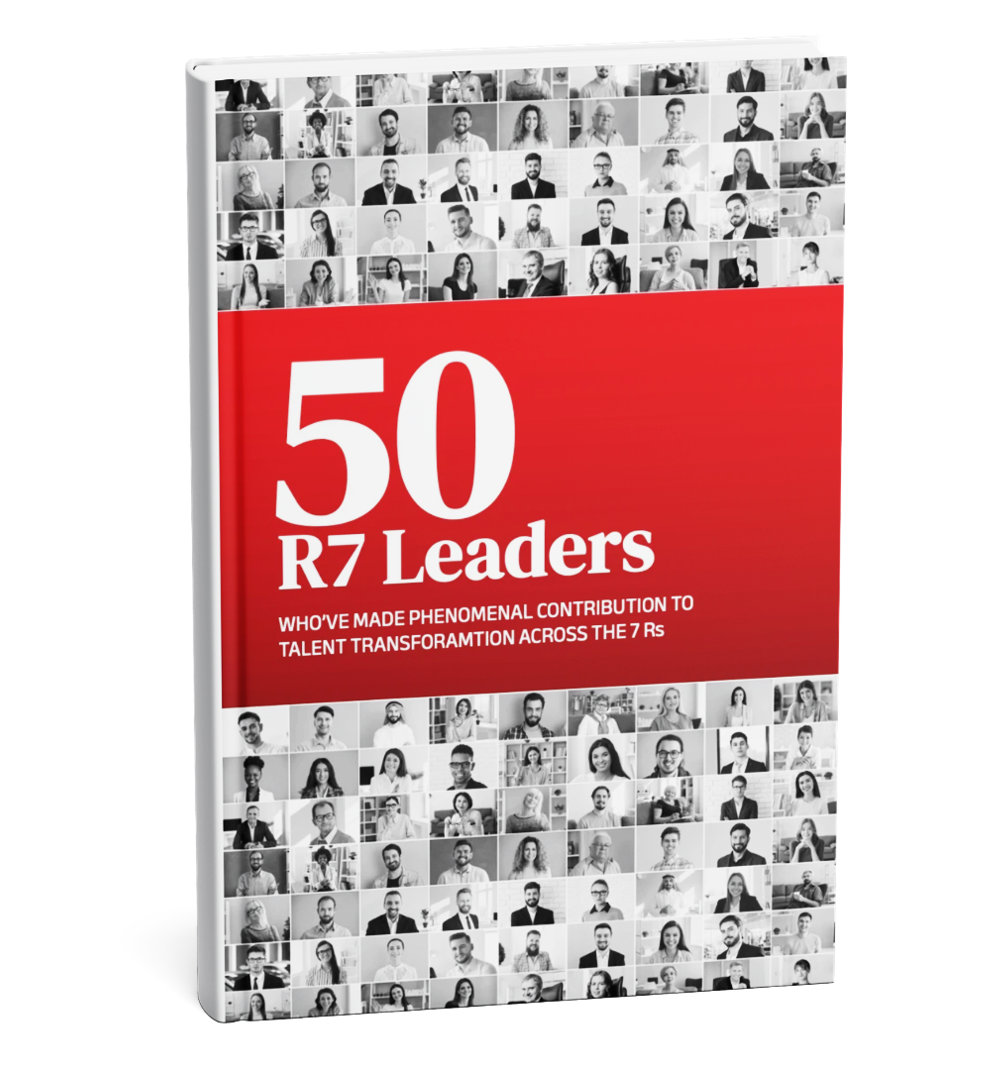
The series closes with the R7 Gala, an evening that brings the year's rooms together and honours the leaders behind the results. At its centre is a launch, a coffee table book featuring the region's most influential people and business leaders, and the ideas redefining talent transformation.
- Recognising leaders who moved real numbers across the seven R's
- The R7 Leaders coffee table book, celebrating phenomenal work in the R7 domains
- The defining ideas and results from the 2026 R7 series, in print